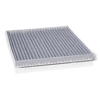
Air filter K&N or UGREEN
if you want a performance oriented filter James Baron Racing sells a dry flow panel filter that's a drop in replacement for most 2012+ Mazda's. They're made by K&N but have no oil whatsoever. They flow better than OEM and they're cleanable. Probably your safest option.
I went with the K&N high flow filter, keeping the cover on. I’ve noticed a bit of a difference, but I’m too scared to take the cover off, as I don’t want particulates in my engine
A filter shouldn't void a warranty, and K&N even offers to fight warranty disputes with dealers who claim the filter did it. The top actually secures the filter in place. You can take it off, but I would check it once a week to be sure it didn't pop off the intake tube. a high flow filter is for increased air flow (easier/faster air intake) and not temp decreases. I have a snorkel and I have NEVER had water on the filter, but I also leave the airbox lid on (my 2013 has a ~1" gap between the hood and bumper that water likes to go through to the engine compartment). Oil coated air filters require you to wash and re-oil them every so often. The oil is what catches most of the dust.
It will make some difference in temp, since it opens up the side of the airbox, even if you leave the lid on. The upswing on temp shouldn't be major, especially this time of year. I run mine with the lid on.
I just installed a green filter on my '16 ST1 and I love it. You get a nice turbo sound when accelerating.
Had K&N's for years. Never had a problem with them.
Not a whole lot of difference, that is until you swiss cheese the air box!
Just installed the K & N filters. Whoever, designed the air filter housings is a complete and utter moron! It is inexcusable at how difficult it is too change out the passenger side filter. What were they thinking. I had to chop with a knife the existing filter (passenger side only) to get it out of the tiny gap that is available. The 'G' clips are not hinged to fold back, so they act as great hooks to snag the filters. Then had to vacuum out the housings to make sure I did not leave any debris before installing the K & N's. One of the main benefits of the K & N's is that they are slimmer that the OEM's and will therefore be easier to access for future maintenance as they will slip in and out of the housings easier. THe reason I bought them is I have had good experiences with them in the past, I live at 10,000 feet and any extra air my engines can get makes a big difference!
K&N is one of the worst. I run my engine in dusty conditions and was finding oily, dirty crud in my intake with K&N. I ditched it and went back to paper filters.
They are expensive. Expensive to buy, expensive to maintain. For the $75 or so that this filter costs, you can buy a half dozen top quality conventional filters and change them frequently. Price the K&N filter cleaning and recharge kit. For a filter to work, you must clean and re-oil it, not just stick it in and forget it. Following the instructions in the $15 recharge kit, it takes a half hour to do this, adding unnecessary time and expense to your maintenance. It amuses us in the shop where I work when these come in the door. People pay a lot of money for them, but when we try to sell them a cleaning and re-oil service for a visibly clogged filter they usually decline the service, because it is "a lifetime filter". There is no noticeable increase in power, fuel economy, or anything else that could possibly justify the installation. You will notice absolutely no difference afterward, other than you have less money. Go down to your local race track or drag strip and look around; I have *never* seen a $30,000 racing engine with an oil type air filter on it. Incorrect installation or maintenance *can* cause damage to your MAF sensor. GM even had a service bulletin out a few years ago advisiing their dealerships that failed transmissions due to over oiled aftermarket air filters were to be denied under warranty. MAF is a critical input for calculating transmission shifts; apparently contaminated MAF sensors were resulting in slipping during shifts causing failures on new cars that had warranty coverage remainiing. Why risk problems when there is no gain to be had?
Write your review
Help others - share your experience with this part.